Mastering the Closed Guard: Sweeps, Attacks, and Why It’s Essential
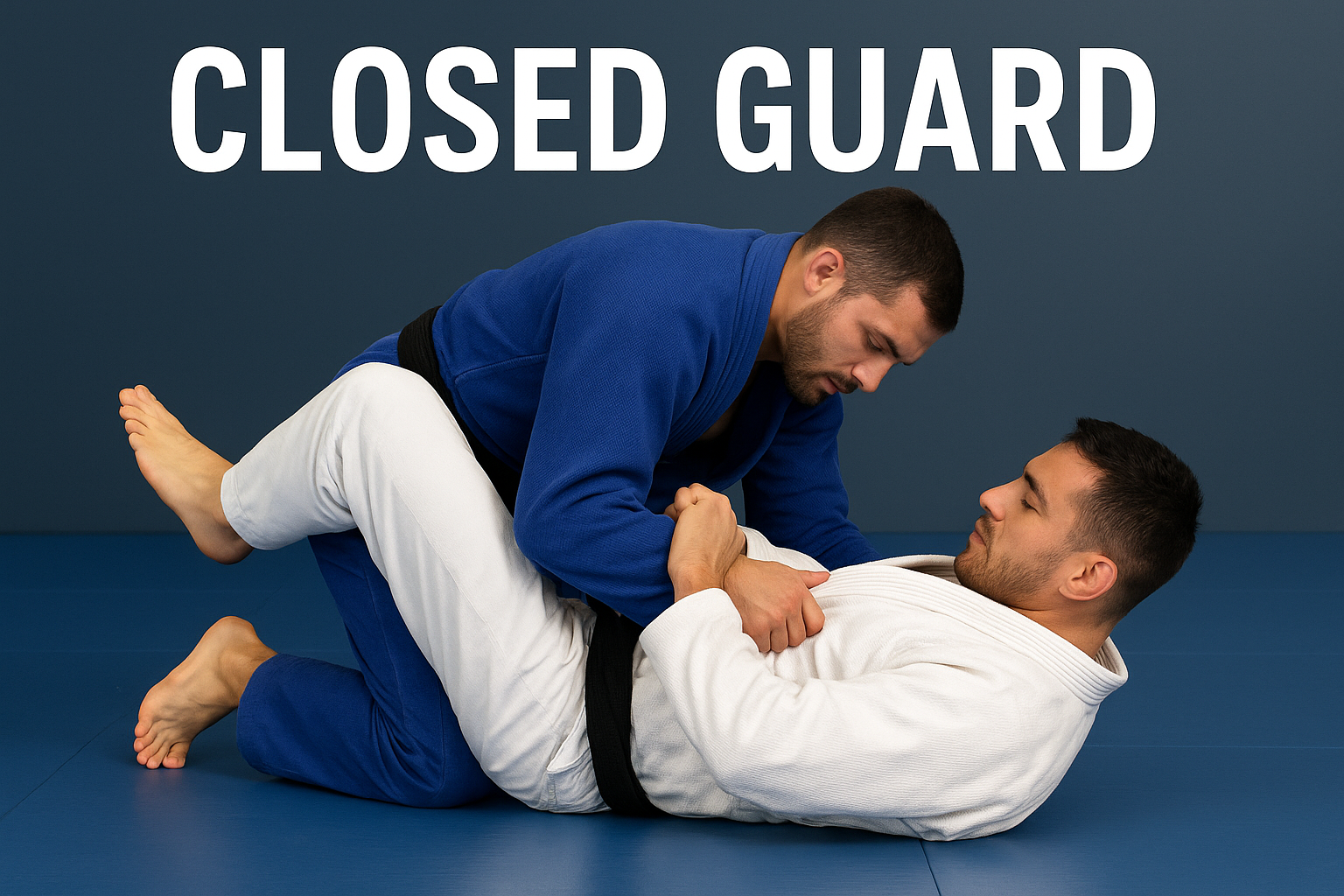
In Brazilian Jiu Jitsu, the closed guard is one of the first positions students learn — and for good reason. It’s a powerful foundation that gives the bottom player control, safety, and a wide range of offensive options. Whether you’re a beginner or advanced, developing a strong closed guard is essential for your progress on the mats.
Why Closed Guard Matters
The closed guard allows you to neutralize your opponent’s weight and posture while opening up pathways to sweep or submit them. It teaches you how to control distance, manage grips, and build an offensive mindset from the bottom. For beginners, it’s also one of the safest positions to learn defense while simultaneously practicing attacks.
A strong closed guard means:
- You’re never “stuck” on bottom.
- You have options to attack or sweep, keeping your opponent guessing.
- You build skills that carry over to other guards and transitions.
Core Sweeps From Closed Guard
Sweeps are crucial because they turn a defensive position into an offensive top game. Some fundamental sweeps to focus on include:
- Hip Bump Sweep – A simple, high-percentage move that teaches timing and hip movement.
- Scissor Sweep – A classic sweep that builds understanding of angles and leverage.
- Flower Sweep (Pendulum Sweep) – A momentum-based attack that leads to dominant positions.
- Double Ankle Sweep – Great for when your opponent stands up in your guard.
By drilling these sweeps, you’ll learn how to take advantage of broken posture and create reversals that put you on top.
Essential Attacks From Closed Guard
The closed guard is also a submission goldmine. Learning to chain attacks together is key, because one failed submission often leads directly into another. Core submissions to focus on include:
- Armbar – A must-know fundamental submission that flows naturally from grips.
- Triangle Choke – A versatile attack that punishes poor posture.
- Omoplata – Great for control and can be combined with sweeps.
- Guillotine Choke – A strong attack when your opponent tries to drive forward.
The key is to pair sweeps with submissions, so your opponent is constantly under pressure.
The Importance of Getting Good at Closed Guard
Many students make the mistake of abandoning closed guard too early in favor of fancier guards. But the truth is, closed guard builds the fundamentals of control, timing, and pressure that apply everywhere else in Jiu Jitsu.
By becoming proficient in this position, you develop:
- Grip fighting skills that transfer to all guard types.
- An understanding of posture vs. broken posture.
- Confidence from the bottom, knowing you always have attacks.
Even at the highest levels of competition, you’ll still see athletes using closed guard effectively — it never becomes obsolete.
What to Learn Next
If you’re working on your closed guard, here’s a roadmap to focus on:
- Control First – Learn how to break posture and control grips.
- One Sweep, One Submission – Get comfortable hitting at least one of each consistently.
- Chain Attacks Together – Drill transitions like armbar to triangle, or hip bump to guillotine.
- Add Counters and Reactions – Learn what to do when your opponent stands, stacks, or drives forward.
By layering these skills, you’ll turn your closed guard into a dangerous weapon that works against anyone.
Conclusion
The closed guard is more than just a beginner’s tool — it’s the foundation of a dangerous bottom game. Mastering sweeps and attacks from this position not only gives you control, but also builds the core principles that make you effective in all areas of Jiu Jitsu. If you want a guard that works at every level, commit to building a strong closed guard.
Related Post
How to Add The BJJ Study Guide to Your Phone’s Homescreen
One of the best ways to make The BJJ Study Guide a part of your [...]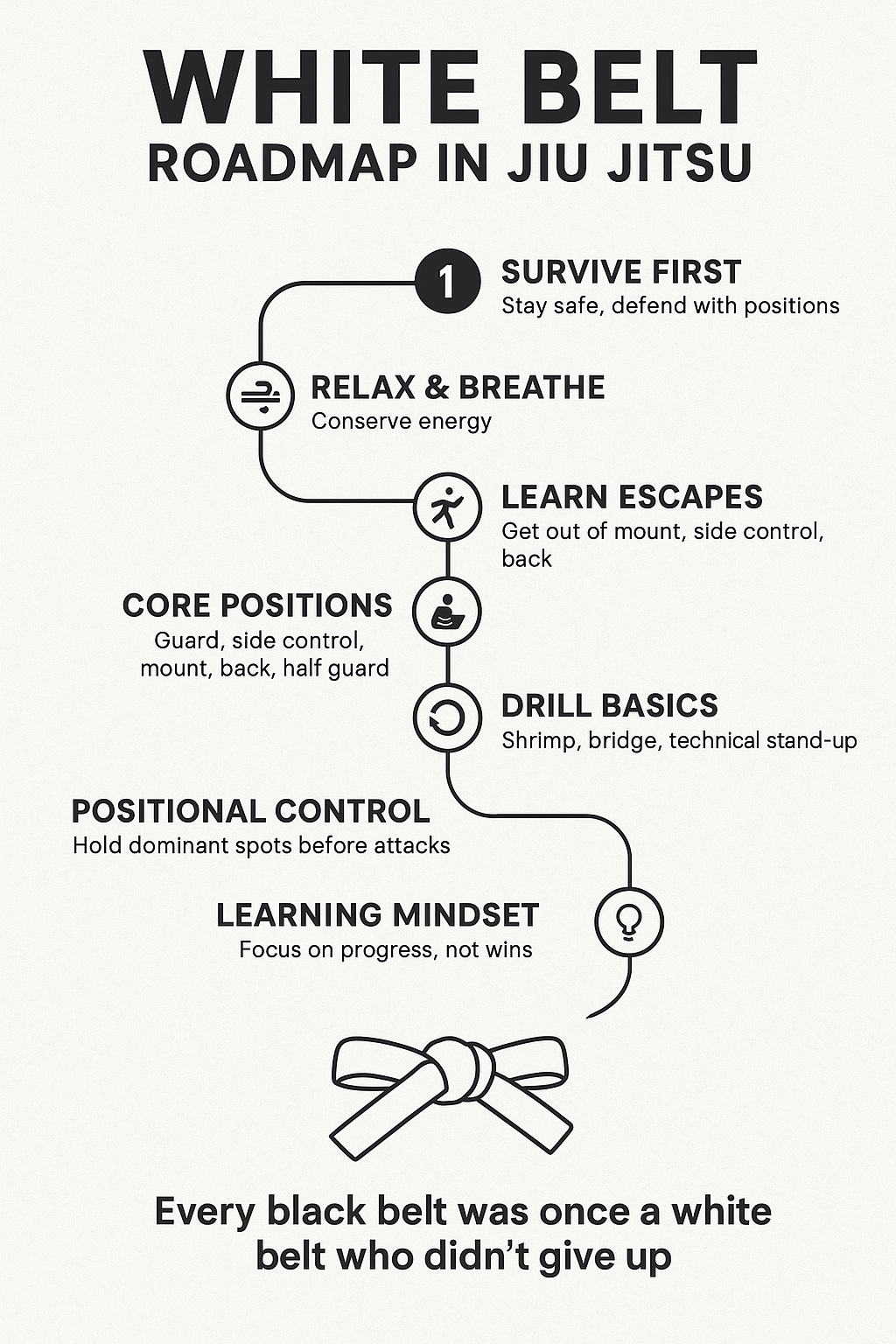
What White Belts Should Focus On in Jiu Jitsu
Starting Brazilian Jiu Jitsu is exciting—but it can also feel overwhelming. There are countless techniques, [...]