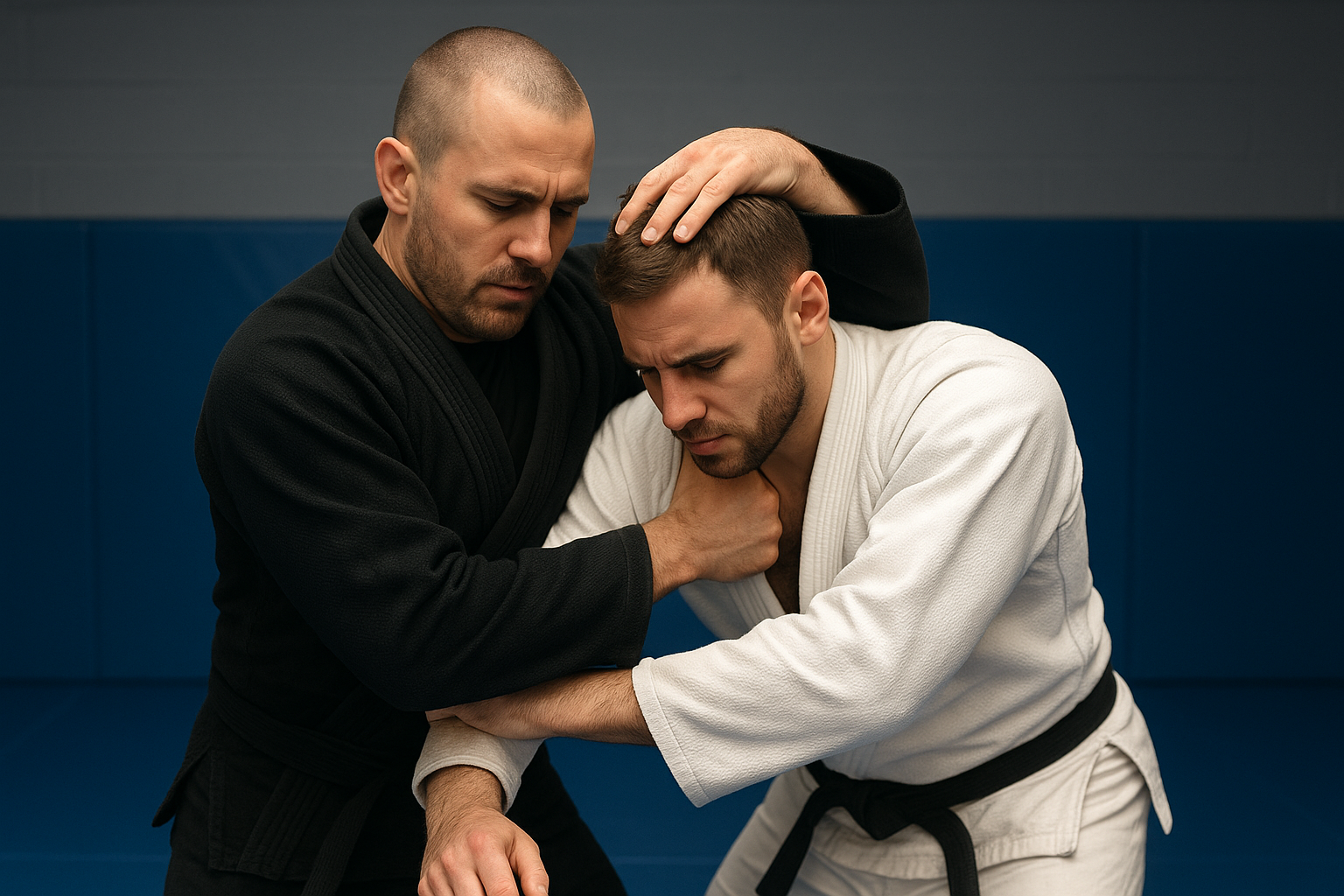
The Mental Health Benefits of Brazilian Jiu Jitsu
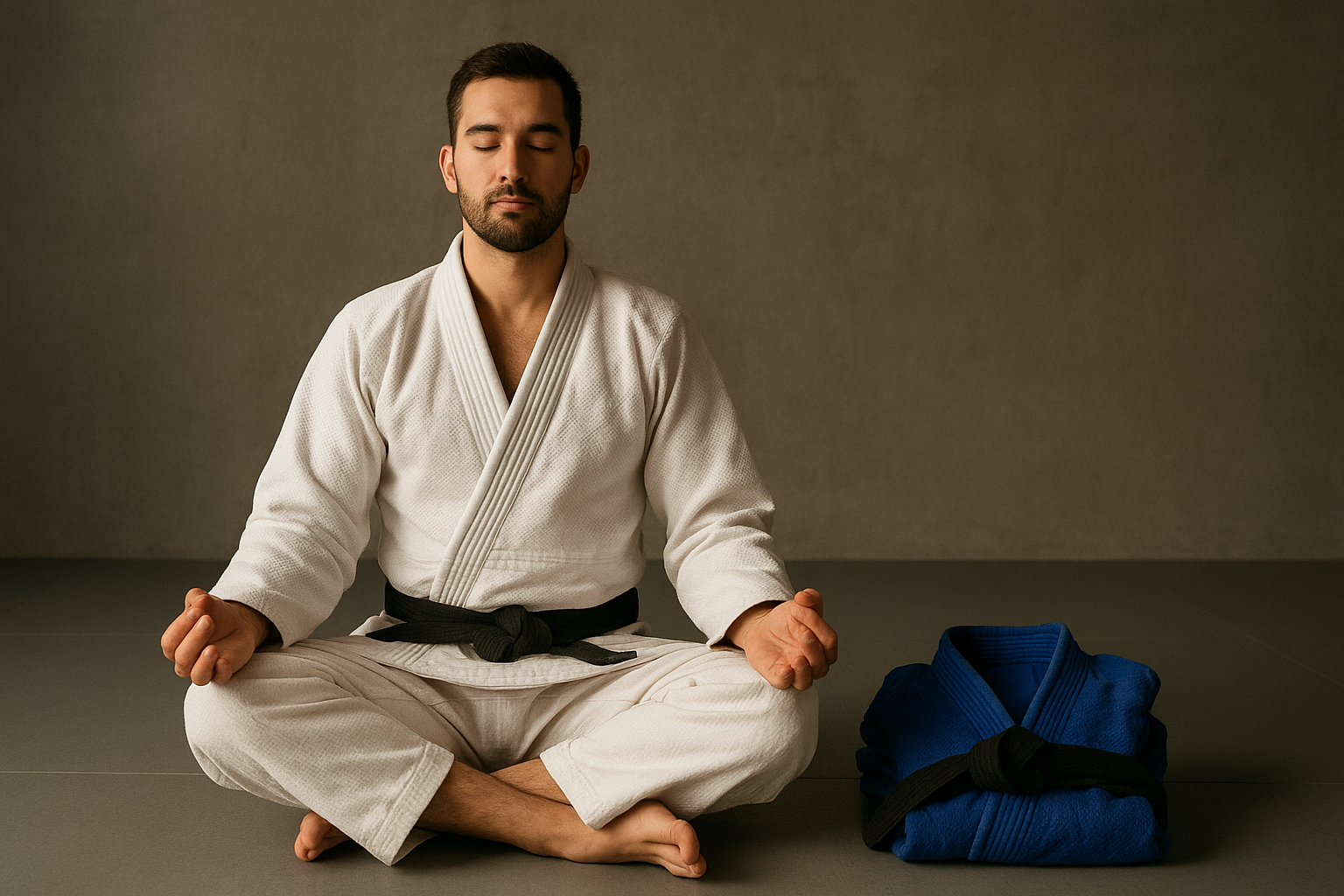
Brazilian Jiu Jitsu (BJJ) is often praised for its physical benefits — strength, flexibility, coordination, and endurance. But one of the most powerful effects of training goes beyond the mat: the impact it has on your mental health. Whether you’re a beginner walking into your first class or a seasoned practitioner, the mental transformations that come from consistent training are profound and long-lasting.
1. Stress Relief Through Movement and Focus
Modern life is full of stress — work, relationships, constant notifications, and endless to-do lists. When you step onto the mats, all of that fades away. Jiu Jitsu demands full attention; you can’t think about tomorrow’s meeting while someone’s trying to pass your guard. That level of focus acts like a mental reset. The physical exertion releases endorphins and serotonin — natural mood boosters — while the mindfulness of rolling helps quiet the noise in your mind.
2. Builds Confidence and Self-Esteem
Learning Jiu Jitsu is humbling, but it’s also empowering. Every small improvement — escaping a tough position, hitting a sweep, surviving a round with someone better — builds real, earned confidence. This isn’t superficial confidence; it’s rooted in resilience and self-awareness. Over time, you realize you can handle discomfort, stay calm under pressure, and keep improving no matter how tough things get. That same mindset carries into your everyday life.
3. Teaches Emotional Regulation and Patience
Jiu Jitsu has a way of testing your emotions. You’ll face frustration, fear, ego, and sometimes even panic. The art teaches you to breathe, stay calm, and think clearly in uncomfortable situations. Over time, this skill transfers off the mat — helping you manage stress, handle conflict, and stay composed under real-world pressure.
4. Creates a Strong Sense of Community
Training partners become more than people you roll with — they become your support network. The camaraderie, shared challenges, and mutual respect in a Jiu Jitsu academy create a sense of belonging that’s rare in today’s world. Many practitioners say that their teammates become like family, offering a community that supports not just physical growth but emotional well-being too.
5. Fights Anxiety and Depression
Consistent physical activity has been shown to reduce symptoms of anxiety and depression, and Jiu Jitsu amplifies those effects. The structure of training, clear goals, and constant feedback create a sense of progress and purpose. The combination of mindfulness, social connection, and endorphin release makes BJJ one of the most effective forms of therapy you can do without sitting on a couch.
6. Encourages Lifelong Growth
There’s no end point in Jiu Jitsu — no moment when you’re “done learning.” That ongoing pursuit of improvement helps cultivate a growth mindset. You learn to embrace challenges, value effort over outcome, and find satisfaction in progress, not perfection. That attitude can positively affect every area of your life, from work to relationships to personal goals.
Final Thoughts
Brazilian Jiu Jitsu is more than a martial art — it’s a mental health practice disguised as self-defense. The lessons you learn on the mats teach you how to manage stress, build confidence, and connect with others in meaningful ways. Whether you’re rolling for competition, fitness, or personal growth, remember: the strongest part of your Jiu Jitsu won’t just be your body — it’ll be your mind.
Related Post
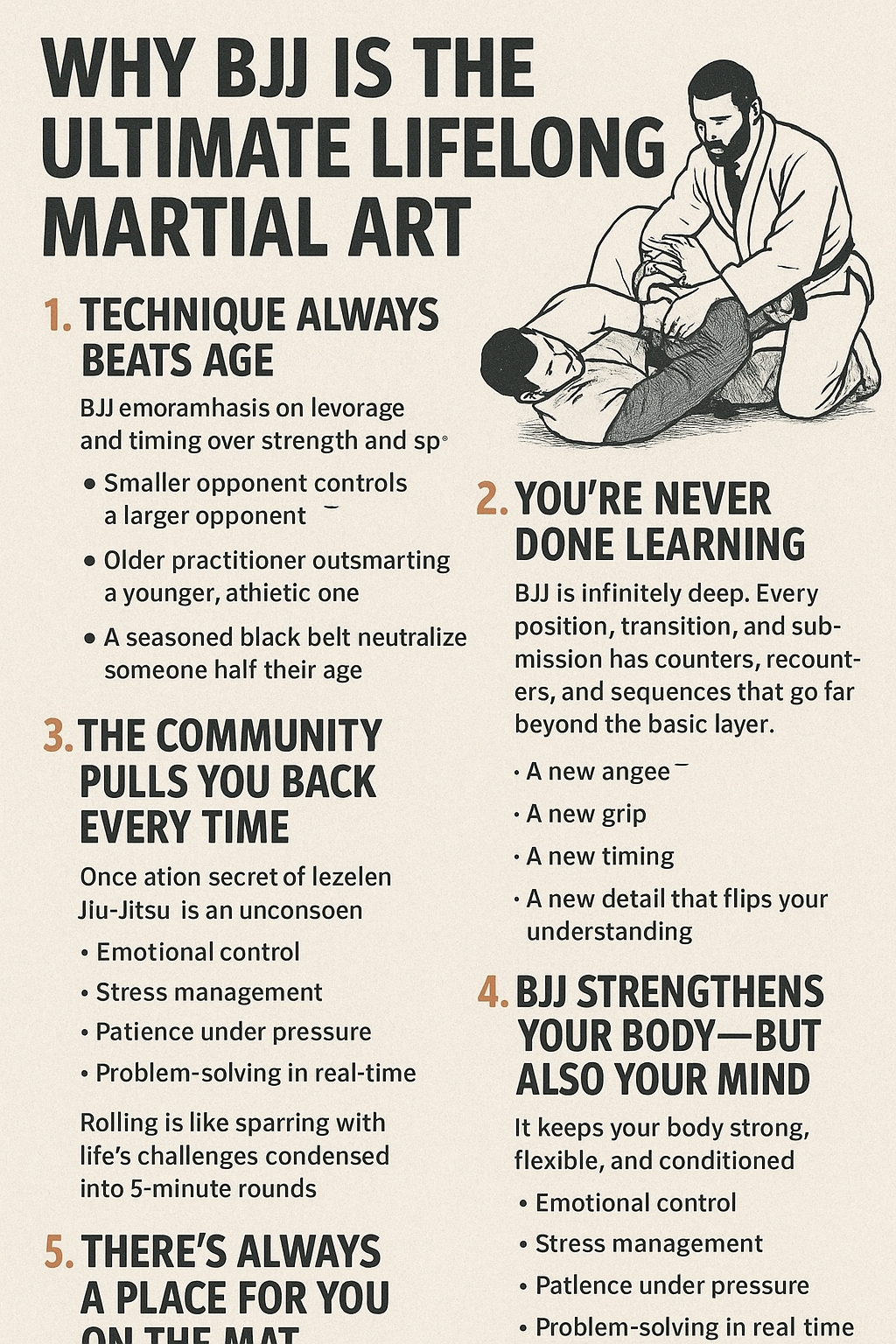
Why BJJ Is the Ultimate Lifelong Martial Art
Brazilian Jiu-Jitsu has become one of the most widely practiced martial arts in the world—and [...]