Why Every Jiu Jitsu Practitioner Should Learn Self-Defense—and How to Incorporate It Into Your Game
The Forgotten Side of Jiu Jitsu
Modern Jiu Jitsu is beautiful—sweeps, berimbolos, guard passing, and tournament strategy all showcase how deep the art has become. But amid the evolution of sport Jiu Jitsu, the roots of the art—self-defense—are often overlooked.
Brazilian Jiu Jitsu was created as a method for a smaller, weaker person to survive and escape against a larger, stronger attacker. It wasn’t built for points or medals—it was built for safety and control. Understanding that original intent gives every student a deeper appreciation for what they’re learning and why it matters in real life.
Why Learning Self-Defense in Jiu Jitsu Matters
1. It Keeps You Grounded in Reality
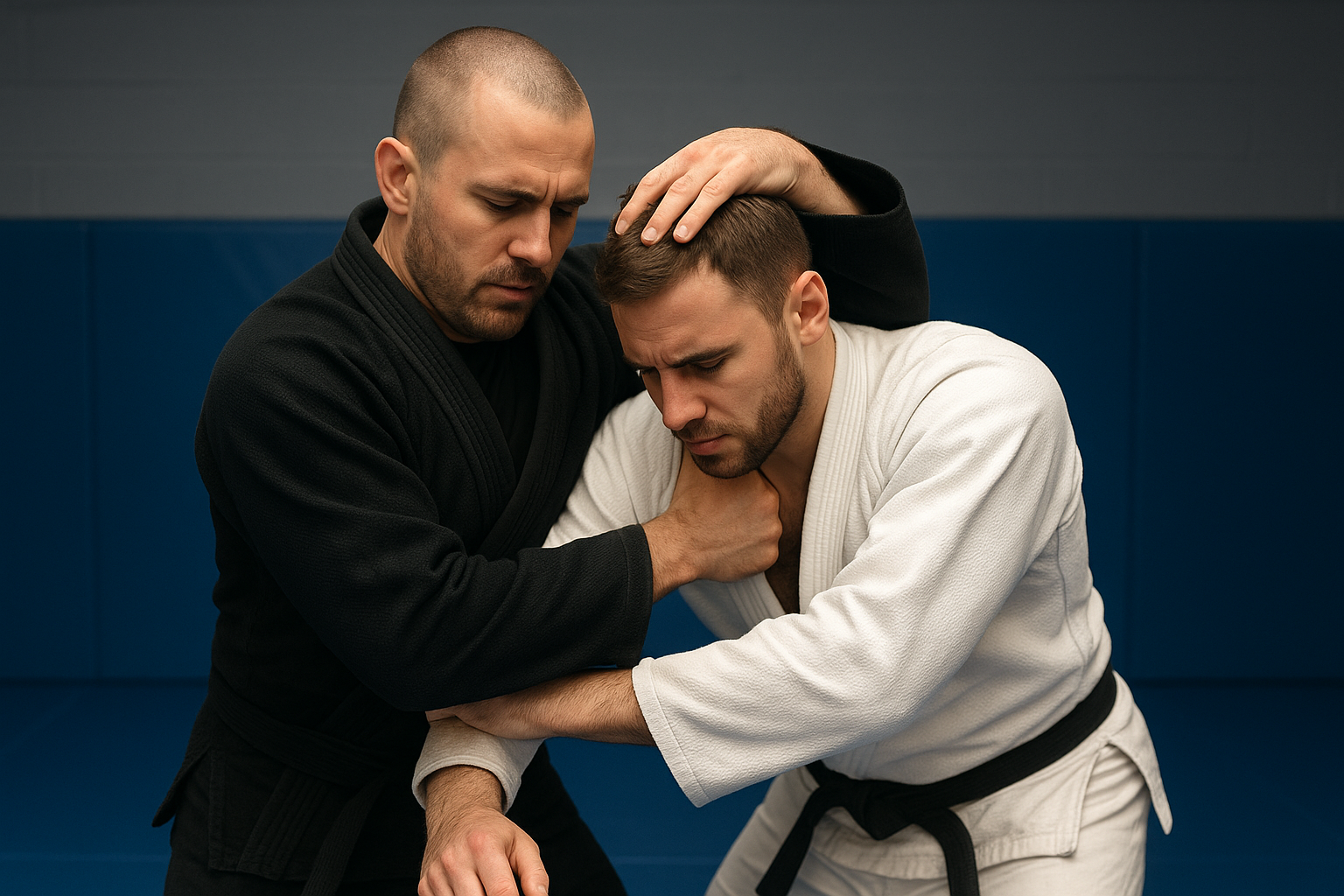
In a competition, you know your opponent won’t strike you. In a real-world situation, that’s not the case. Self-defense Jiu Jitsu teaches you to control distance, manage posture, and protect yourself from punches or grabs—skills that transfer directly into staying calm under pressure.
2. Confidence Beyond the Mats
There’s a different type of confidence that comes from knowing you can handle yourself if things ever go wrong. It’s not about looking for a fight—it’s about avoiding one and knowing how to stay composed if you can’t. That calm confidence often helps de-escalate situations before they ever become physical.
3. It Strengthens Your Core Fundamentals
Self-defense techniques emphasize posture, base, and leverage—the same foundations that make your guard, escapes, and submissions more effective in sport Jiu Jitsu. Training these movements gives you sharper body awareness and cleaner mechanics that improve your overall game.
4. It Honors the Roots of the Art
The founders of Jiu Jitsu, from Jigoro Kano to Helio and Carlos Gracie, all focused on self-protection first. The sport side of Jiu Jitsu grew later. When you learn self-defense, you’re connecting directly to that original purpose and carrying the true spirit of the art forward.
How to Incorporate Self-Defense Into Your Training
You don’t have to abandon sport Jiu Jitsu to get the benefits of self-defense training—just a few mindful adjustments can make a big difference.
- Start Each Class With a Self-Defense Drill
Spend 5–10 minutes practicing a realistic scenario: defending a grab, escaping a bear hug, or clinching to avoid strikes. Repetition builds instinct. - Add Striking Awareness to Drills
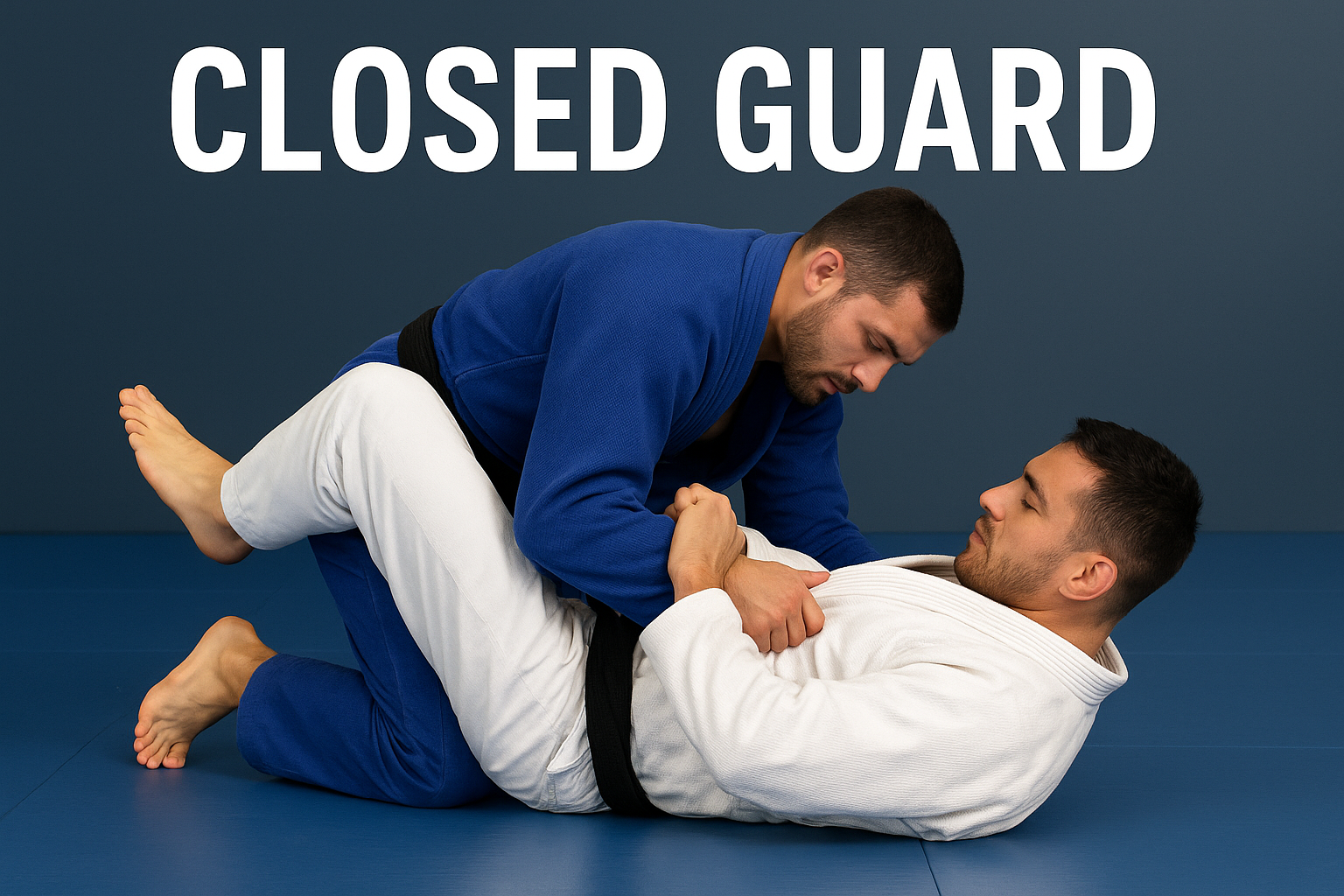
When you’re in closed guard, ask yourself, “Could I be punched right now?” Training with that awareness changes your posture and movement in subtle but important ways. - Train “Street” Situations Safely
Work on techniques like clinch control, takedown defense, and standing escapes in a controlled environment. The goal is understanding—not brawling. - Mix It Into Your Rolling
Try one round each week focused on “self-defense rules.” No pulling guard, no sport grips—just positional control and realistic reactions. It’s humbling, but eye-opening.
The Complete Martial Artist
Learning self-defense doesn’t just make you safer—it makes you complete. It connects your technical knowledge to practical application. It gives purpose to your drilling and adds depth to your understanding of Jiu Jitsu as a martial art, not just a sport.
So whether you’re training for the next tournament or just trying to stay fit, take some time to revisit the self-defense roots of your Jiu Jitsu. You’ll gain confidence, sharpen your fundamentals, and carry forward the essence of what makes this art so powerful.
At The BJJ Study Guide, we believe in studying the full picture of Jiu Jitsu—from sport techniques to its self-defense origins—so that you can grow as both a practitioner and a person.
Related Post
The Art of Passing in Jiu Jitsu: Building One of the Hardest but Most Important Skills
Guard passing is one of the most difficult and rewarding skills you can develop in [...]
Mastering the X-Guard: Why It’s an Essential Skill in Brazilian Jiu-Jitsu
The Importance of the X-Guard in Brazilian Jiu-Jitsu The X-guard is one of those positions [...]