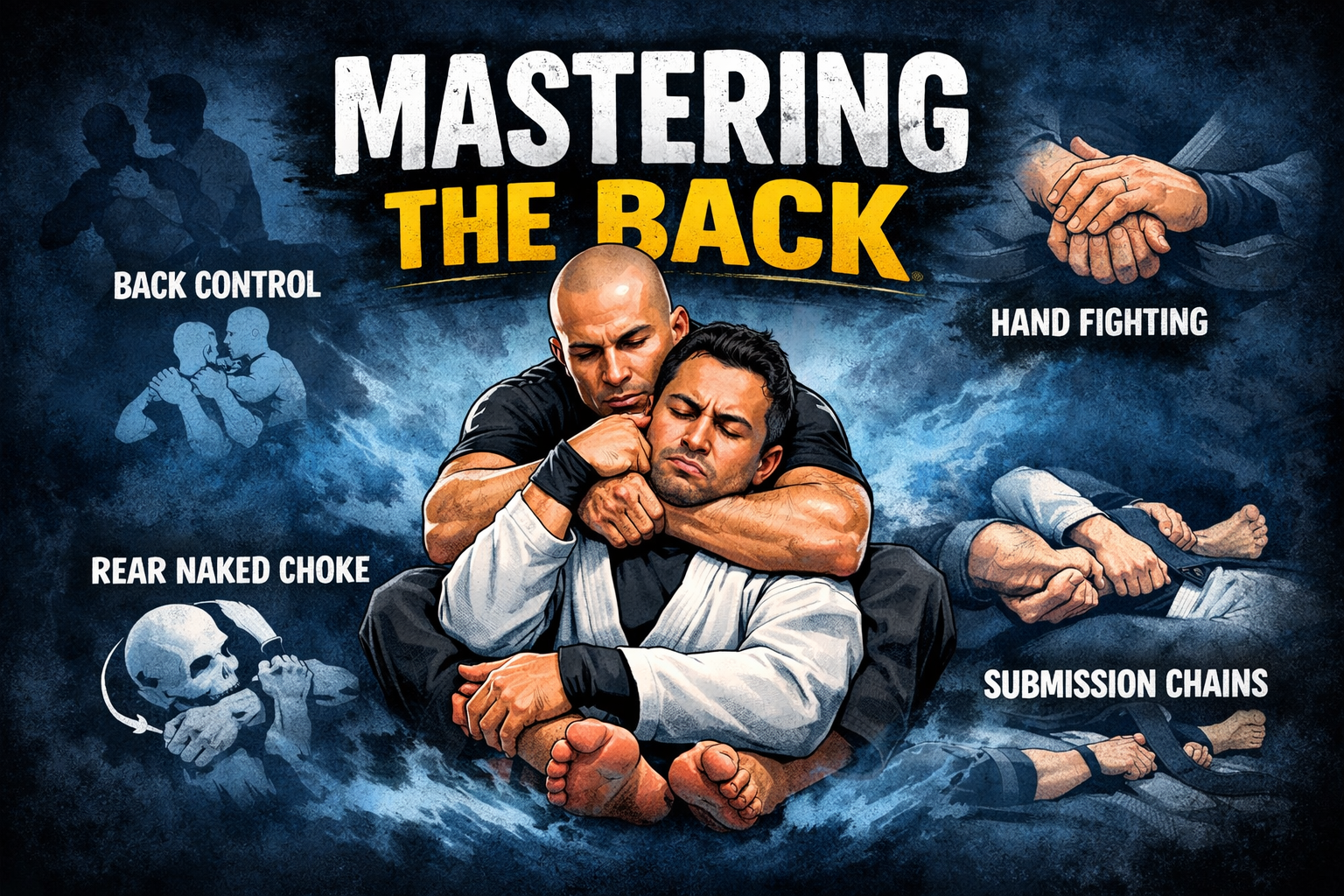
Mastering the X-Guard: Why It’s an Essential Skill in Brazilian Jiu-Jitsu
The Importance of the X-Guard in Brazilian Jiu-Jitsu
The X-guard is one of those positions that, once you understand it, completely changes the way you view guard play in Brazilian Jiu-Jitsu. Popularized by legends like Marcelo Garcia, the X-guard is a highly dynamic position that allows smaller grapplers to control and sweep larger, stronger opponents with precision and leverage rather than strength.
At its core, the X-guard is an open guard position where you’re underneath your opponent, controlling one of their legs between your own in an “X” configuration. It’s a position built on balance disruption, connection, and timing—three pillars that define technical excellence in Jiu-Jitsu.
Why the X-Guard Is So Effective
- Unmatched Control and Balance Disruption
The X-guard puts your opponent in a state of constant imbalance. With your legs wrapped in an “X” configuration around one of theirs, you can lift, tilt, or sweep them in multiple directions. This makes it extremely difficult for them to stabilize or apply pressure downward. - High Percentage Sweeps
One of the main strengths of the X-guard is its sweep potential. From this position, you can easily transition into powerful sweeps such as the single-leg X sweep, technical stand-up sweep, or back take setups. These options work reliably in both gi and no-gi. - A Bridge Between Guards
The X-guard isn’t just a standalone position—it acts as a connector between other guards like butterfly, single-leg X, and De La Riva. This makes it a critical piece in developing a fluid, transition-based guard game. - Effective Against Standing Opponents
The X-guard shines particularly when facing a standing opponent. Instead of relying on grips and lapels, it uses hooks, leverage, and leg entanglement to neutralize their movement and take them off balance.
The Drawbacks of X-Guard
While the X-guard is powerful, it’s not without its challenges:
- Requires Excellent Timing and Sensitivity
Because you’re underneath your opponent, a mistimed entry or poor control can lead to them flattening you out or stepping over your guard entirely. - Vulnerable to Leg Locks (Especially in No-Gi)
In no-gi or leg lock–heavy environments, exposing your legs for the X-guard setup can leave you open to heel hooks or kneebars if you’re not careful about positioning and control. - Demands Mobility and Flexibility
The X-guard relies heavily on hip mobility, core strength, and coordination. Beginners may find it awkward or physically demanding to maintain balance and connection while managing an opponent’s weight.
Developing a Solid X-Guard Game
If you want to integrate X-guard into your BJJ arsenal, focus on these key areas:
- Start from Single-Leg X: This position is often the easiest entry into full X-guard and helps you learn control and balance.
- Drill Entries and Exits: Smooth transitions between butterfly guard, single-leg X, and X-guard will make your game more adaptable.
- Study Sweeps, Not Just Setups: Knowing how to get to X-guard is one thing—being able to capitalize on it with a clean sweep is what makes it effective.
- Train with Purpose: Use positional sparring to develop comfort in maintaining and attacking from X-guard under pressure.
Final Thoughts
The X-guard is more than just a flashy position—it’s a fundamental tool for controlling opponents, creating sweeps, and transitioning fluidly through your guard game. Whether you’re a competitor looking to refine your open guard or a hobbyist wanting to understand the art of leverage, mastering the X-guard will elevate your understanding of Jiu-Jitsu as a whole.
It’s a perfect example of what makes BJJ beautiful: technique overcoming strength, strategy outsmarting chaos, and precision turning defense into offense.
Related Post
Mastering the Closed Guard: Sweeps, Attacks, and Why It’s Essential
In Brazilian Jiu Jitsu, the closed guard is one of the first positions students learn [...]
Why Every Jiu Jitsu Practitioner Should Learn Self-Defense—and How to Incorporate It Into Your Game
The Forgotten Side of Jiu Jitsu Modern Jiu Jitsu is beautiful—sweeps, berimbolos, guard passing, and [...]