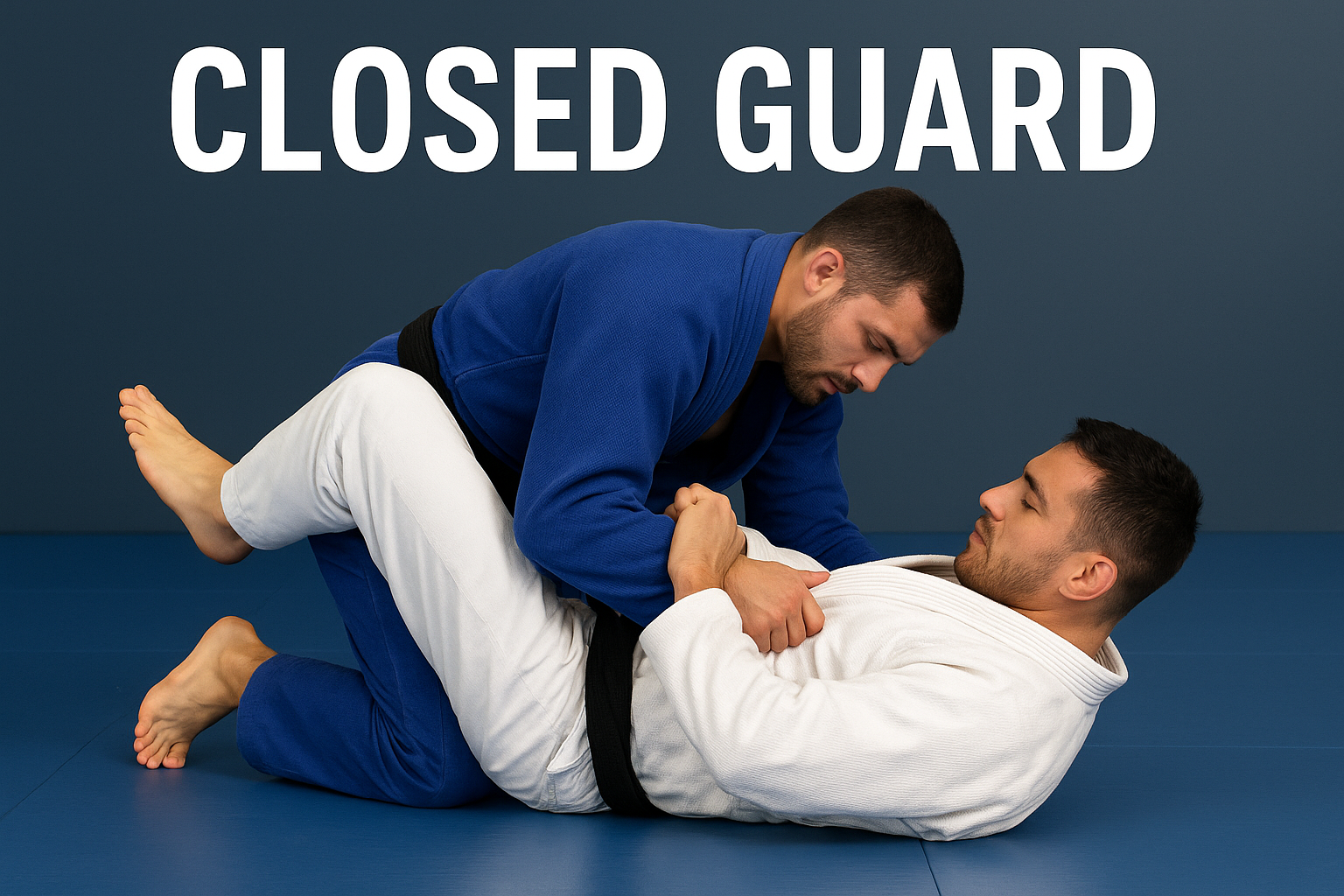
The Art of Passing in Jiu Jitsu: Building One of the Hardest but Most Important Skills
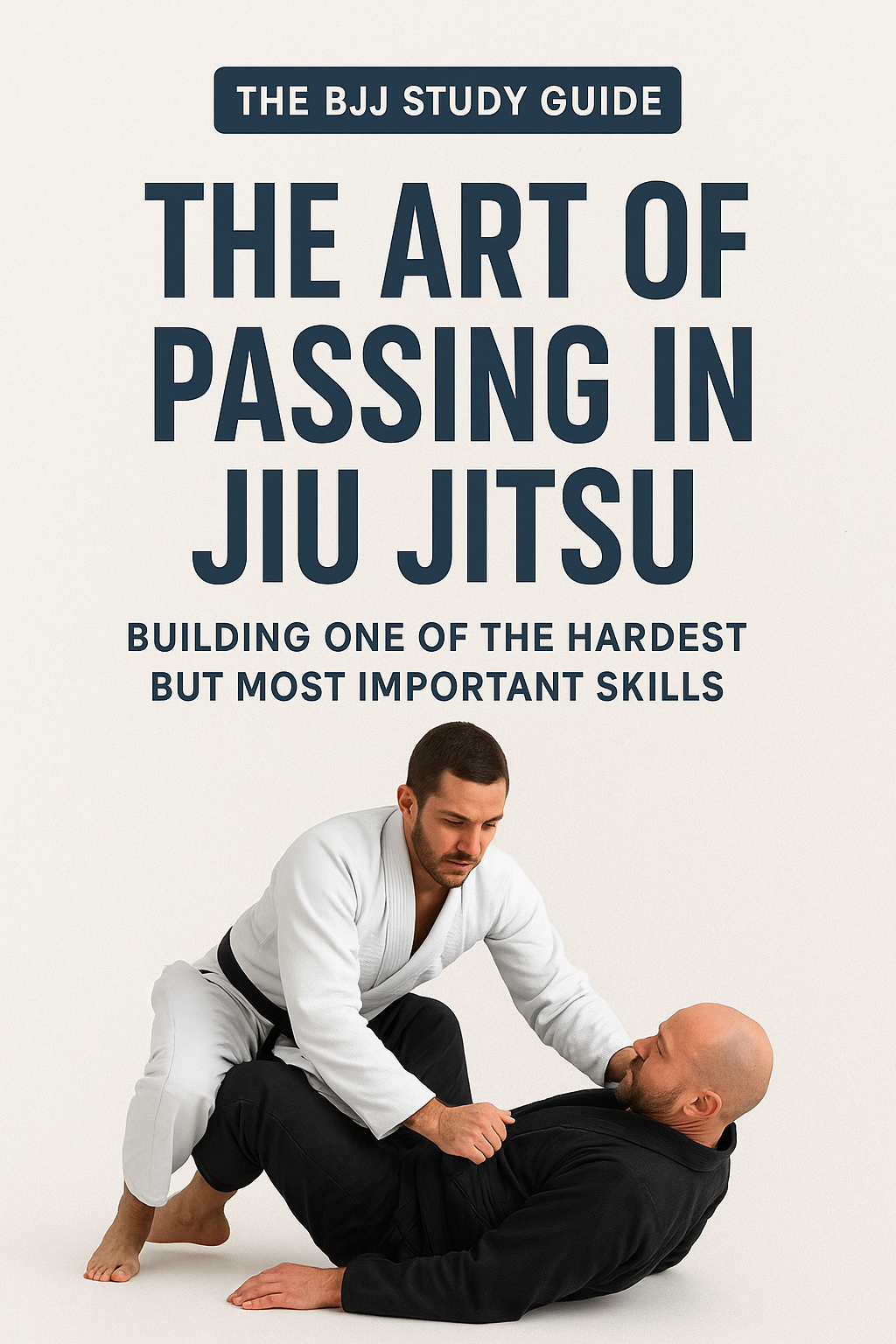
Guard passing is one of the most difficult and rewarding skills you can develop in Brazilian Jiu Jitsu. Every practitioner knows the frustration of being trapped in guard, stuck in a web of grips, frames, and hips that make advancement feel impossible. Yet, passing is also one of the most fundamental aspects of the art—because without the ability to pass, you’ll never consistently establish dominant positions or apply submissions.
In this article, we’ll break down the major passing positions, the challenges of learning to pass, and the best strategies to study and improve this critical skill.
Why Guard Passing Is So Difficult
Passing the guard is inherently harder than playing guard. The bottom player uses gravity, leverage, and constant movement to build barriers, while the top player must break through those layers and maintain balance at the same time. Guard players only need to create one frame or angle to stall a passer—but passers must remove all of them to succeed.
This imbalance is why passing is often considered one of the most technical and demanding skills in Jiu Jitsu. It requires timing, pressure, sensitivity, and relentless persistence.
Types of Passing Positions and Styles
There are countless ways to pass, but most fall into a few key categories:
- Pressure Passing – Driving your weight through the guard to gradually collapse frames and smash the hips. Examples: over-under pass, stack pass, body lock pass.
- Speed/Mobility Passing – Using agility, angles, and quick changes of direction to bypass the legs. Examples: torreando pass, knee cut with fast transitions, long step pass.
- Hybrid Passing – Blending mobility and pressure, switching between styles depending on the guard and the reaction of your opponent.
- Standing vs. Kneeling – Some passes start from a standing position (great for breaking open closed guard and torreando), while others initiate from the knees with heavy pressure and grips.
Each style has advantages, and a complete passing game requires developing at least one pressure-based and one mobility-based approach.
Best Ways to Study and Develop Passing
- Study Passing Sequences, Not Just Single Moves
Passing rarely works with one clean movement. It’s about combining attempts: when your knee cut gets blocked, transition to the long step; when your torreando fails, collapse into an over-under. Study passes as interconnected systems, not isolated techniques. - Use Situational Sparring
Start rounds directly in guard passing positions. For example, begin in butterfly guard top and give your partner grips. Your only goal: pass. This forces you to problem-solve in real time without “resetting” to safer positions. - Analyze Body Mechanics, Not Just Steps
Don’t just memorize moves—study why they work. Where is your weight? Which way are their hips turned? Which frames must be cleared before advancing? This mindset will help you adapt passes against new guards you’ve never seen. - Review Footage at 2x Speed
One of the fastest ways to absorb passing concepts is to rewatch instructional videos at double speed after your first viewing. It forces your brain to absorb transitions fluidly, not step by step, which is how passing actually happens in live rolls. - Consistency Over Flash
Guard passing takes years to refine. It’s better to sharpen a handful of passes that connect well together than to try a new one every week. Depth beats breadth in this area.
The Long Road to Becoming a Great Passer
The truth is that passing will feel like an uphill battle for a long time. You’ll get swept, stuck, and reset over and over. But this is exactly why guard passing is so rewarding—it teaches persistence, problem-solving, and adaptability under pressure.
If you commit to drilling intelligently, studying strategically, and embracing the grind of situational training, your passing will become one of your most dangerous weapons. And once you can reliably pass, you’ll find your entire game opens up—because dominance always starts from the top.
✅ Key Takeaway: Passing is one of the hardest skills in Jiu Jitsu to develop, but also one of the most essential. Study systems, drill situationally, and focus on long-term progress. Over time, your ability to break through guards will separate you from the pack.
Related Post
Why Every Jiu Jitsu Practitioner Should Learn Self-Defense—and How to Incorporate It Into Your Game
The Forgotten Side of Jiu Jitsu Modern Jiu Jitsu is beautiful—sweeps, berimbolos, guard passing, and [...]
Mastering the Back: What Every BJJ Student Should Study
In Brazilian Jiu-Jitsu, the back is widely considered the most dominant position in grappling. From [...]